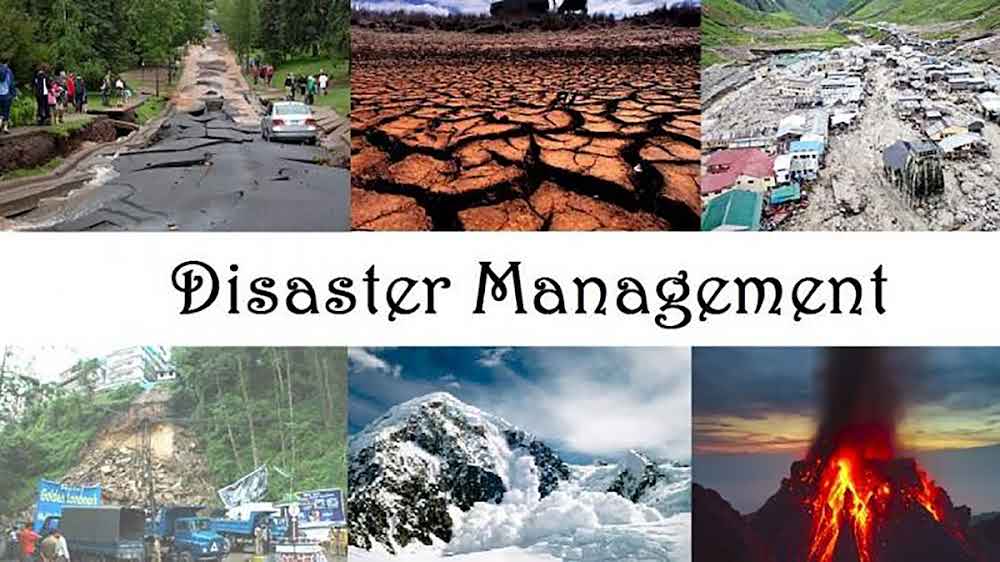
In the face of natural disasters, every second counts. Swift response, accurate information, and efficient coordination can mean the difference between life and death. At Zennxt India R&D Private Limited, we recognize the critical importance of technology in disaster management. In this blog, we delve into the pivotal role technology plays in mitigating disasters, aiding response efforts, and helping communities rebuild in the aftermath of calamities.
1. Early Warning Systems: Anticipating the Unpredictable
Early warning systems are the first line of defense in disaster management. Advanced sensors, satellite technology, and data analytics empower us to predict earthquakes, tsunamis, hurricanes, and floods with greater accuracy. Zennxt India R&D develops cutting-edge warning systems that provide real-time alerts, enabling communities to evacuate and prepare, potentially saving thousands of lives.
2. Geographic Information Systems (GIS): Mapping Crisis
Zones
During a disaster, understanding the affected areas is crucial for effective response. GIS technology allows us to create detailed maps, identify vulnerable regions, and plan evacuation routes. Zennxt India R&D's GIS solutions aid emergency responders, helping them navigate disaster-stricken areas, assess damage, and allocate resources strategically.
3. Remote Sensing and Drones: Eyes in the Sky
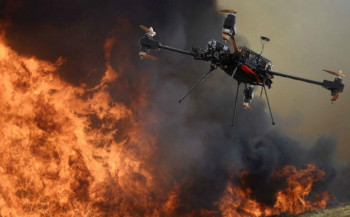
Drones equipped with high-resolution cameras and sensors serve as invaluable tools in disaster management. They can survey disaster-stricken areas, assess damage, and locate survivors in places inaccessible to humans. Zennxt India R&D pioneers drone technology, enabling real-time data collection and analysis, thereby expediting search and rescue operations.
4. Communication Networks: Connecting Communities in
Crisis
Maintaining communication is paramount during disasters. Technology provides resilient communication networks, even in the face of infrastructure damage. Zennxt India R&D develops robust communication solutions, including satellite-based systems and mobile apps, ensuring that affected communities can communicate with emergency services and loved ones, facilitating efficient rescue operations.
5. Artificial Intelligence and Predictive Analytics:
Enhancing Decision-Making
Artificial intelligence (AI) and predictive analytics process vast amounts of data to identify patterns and trends. In disaster management, AI analyzes historical data, weather patterns, and social media feeds to predict disaster impact and aid in decision-making. Zennxt India R&D harnesses AI to provide actionable insights, allowing authorities to make informed decisions in real-time, optimizing resource allocation and response strategies.
6. Post-Disaster Recovery: Building Back Better
After a disaster, technology continues to play a vital role in recovery efforts. 3D printing technology reconstructs damaged infrastructure, while blockchain technology ensures transparent and efficient distribution of aid and resources. Zennxt India R&D leads in innovative solutions for post-disaster recovery, fostering resilient communities and sustainable reconstruction.
Conclusion:
In conclusion, the integration of technology in disaster
management is not just about efficiency; it's about saving lives and rebuilding
communities. Zennxt India R&D Private Limited is committed to advancing
these technological frontiers, ensuring that our solutions empower communities
in the face of adversity. Together, let's embrace the power of technology and
build a future where disasters do not mean despair but rather opportunities for
resilience and renewal.