Introduction
In the vast expanse of the cosmos, where the stars twinkle and the mysteries of the universe beckon, technology stands as our trusted ally, guiding our exploration and propelling us to new heights. At Zennxt India R&D Private Limited, we recognize the immense potential that technology holds in shaping the future of space and aerospace endeavors. In this blog, we embark on a cosmic journey to explore how cutting-edge technology is revolutionizing the Space and Aerospace sector, enabling mankind to reach for the stars and beyond.
1. Precision Engineering and Advanced Materials
Spacecraft and aerospace vehicles demand unparalleled precision and durability. Thanks to advancements in materials science and engineering, we now have access to lightweight yet incredibly strong materials like carbon composites and titanium alloys. These materials not only reduce the weight of spacecraft, making them more fuel-efficient, but also enhance their structural integrity, ensuring safe journeys through the harsh environment of space.
2. Robotics and Automation
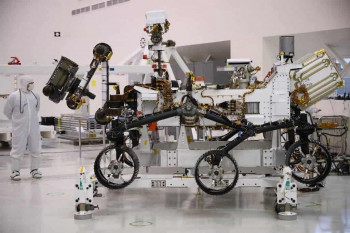
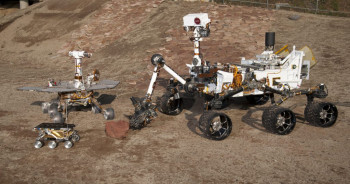
The application of robotics in space exploration has opened new frontiers. Robotic rovers, like the ones deployed on Mars, are equipped with sophisticated sensors and AI algorithms, enabling them to navigate diverse terrains autonomously. Additionally, automation plays a vital role in aerospace manufacturing, enhancing efficiency and precision, leading to the production of safer and more reliable aircraft and spacecraft.
3. Big Data and Analytics
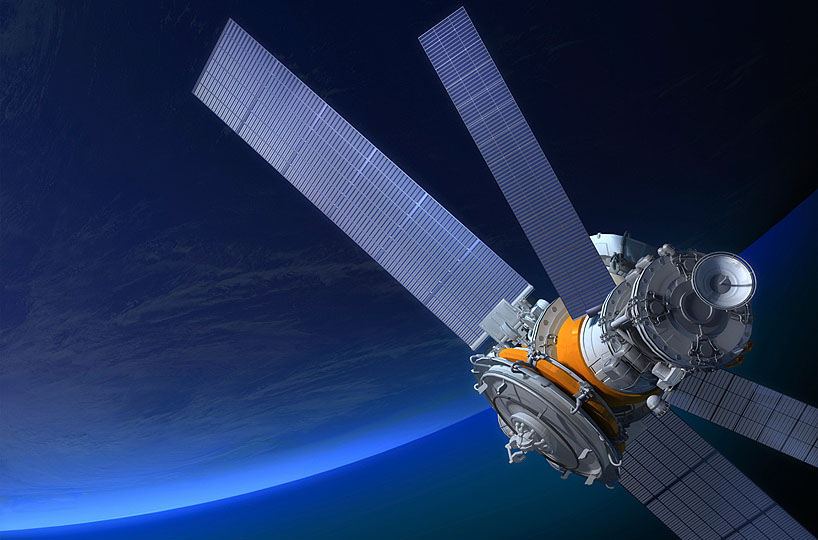
In the vastness of space, data is key. Advanced analytics and big data technologies process enormous volumes of data collected from satellites, telescopes, and space probes. This data is invaluable for understanding celestial phenomena, predicting space weather, and unraveling the mysteries of the universe. Big data analytics also aid in optimizing spacecraft trajectories and improving communication systems, ensuring seamless connectivity even in the depths of space.
4. Artificial Intelligence and Machine Learning
Artificial Intelligence (AI) and Machine Learning (ML) algorithms are transforming the space and aerospace sector. AI-driven systems analyze complex datasets, enabling scientists to identify patterns, predict space phenomena, and optimize mission planning. Machine Learning algorithms are also used in predictive maintenance for aerospace vehicles, ensuring that components are replaced before they fail, enhancing safety and reducing downtime.
5. 3D Printing Technology
Additive manufacturing, or 3D printing, has revolutionized the aerospace industry. It allows for the rapid prototyping of complex components, reducing production time and costs. In space exploration, 3D printing technology enables astronauts to manufacture tools and spare parts on-demand, reducing the need for extensive cargo and ensuring self-sufficiency during long-duration space missions.
Conclusion
As we look to the stars with wonder and curiosity, technology
continues to be our guiding light, illuminating the path to new discoveries and
groundbreaking achievements. At Zennxt India R&D Private Limited, we are
proud to be at the forefront of this technological revolution, driving
innovation in the space and aerospace sector. Through precision engineering,
robotics, big data analytics, artificial intelligence, and 3D printing, we are
empowering humanity to reach for the cosmos, unlocking the secrets of the
universe one technological leap at a time. Together, let us continue to
explore, innovate, and inspire, as we embark on a journey that knows no bounds,
propelled by the endless possibilities that technology bestows upon us.