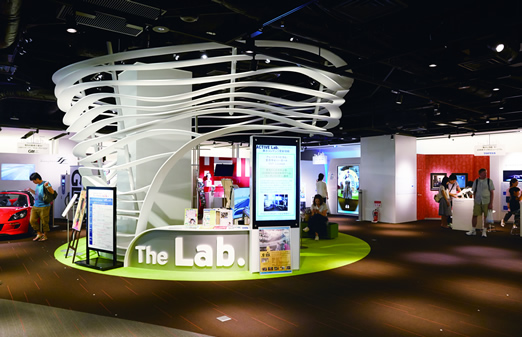
Shopping malls, once bustling hubs of commerce, have
undergone a remarkable transformation in recent years, thanks to the infusion
of cutting-edge technology. From intelligent infrastructure to augmented
reality shopping experiences, technology has revolutionized the way we shop and
has breathed new life into the traditional brick-and-mortar retail landscape.
In this blog post, we'll explore the various ways technology is being used in
shopping malls, enhancing the overall shopping experience for both retailers
and consumers.
Smart Infrastructure and Connectivity:
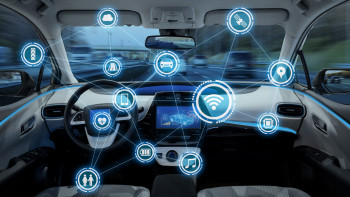
Modern shopping malls are leveraging smart
infrastructure and connectivity solutions to create a seamless and
efficient environment. IoT (Internet of Things) devices are deployed to
monitor foot traffic, manage energy consumption, and optimize facility
maintenance. Additionally, Wi-Fi and beacon technology enable personalized
shopping experiences, such as location-based promotions and discounts,
enhancing customer engagement.
Mobile Apps and Virtual Shopping Assistants:
Mobile applications have become integral to the
shopping mall experience. Many malls offer dedicated apps that provide
visitors with real-time information about store promotions, events, and
navigation assistance. Virtual shopping assistants powered by AI help
customers find products, compare prices, and even offer personalized
recommendations, creating a more convenient and enjoyable shopping
journey.
Augmented Reality (AR) and Virtual Reality (VR):
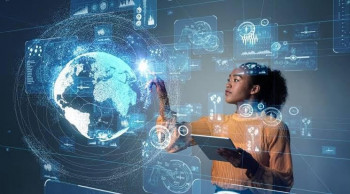
AR and VR technologies are transforming the way
consumers interact with products in shopping malls. Virtual try-on
experiences for clothing and accessories, AR navigation tools, and
VR-enhanced showrooms bring a new dimension to the traditional brick-and-mortar
shopping experience. These technologies not only entertain shoppers but
also contribute to informed decision-making.
Contactless Payments and Self-Checkout:
The rise of contactless payment options has
revolutionized the checkout process in shopping malls. Mobile wallets,
RFID technology, and other contactless payment methods provide a faster
and more secure transaction experience. Furthermore, self-checkout kiosks
are gaining popularity, allowing customers to complete their purchases
independently, reducing wait times and enhancing efficiency.
Data Analytics for Personalized Marketing:
Shopping malls are increasingly relying on data
analytics to understand customer behavior and preferences. This data is
then used to create targeted marketing campaigns, personalized promotions,
and loyalty programs. By harnessing the power of big data, malls can offer
a more personalized and relevant shopping experience, fostering customer
loyalty.
Smart Parking Solutions:
Finding parking in crowded shopping malls can be
a frustrating experience. Smart parking solutions, including sensors and
mobile apps, help shoppers locate available parking spaces quickly. Some
malls even employ automated parking systems, streamlining the parking
process and improving overall accessibility.
Conclusion:
The integration of technology
into shopping malls has redefined the retail landscape, creating a more dynamic
and engaging experience for both retailers and consumers. As we continue to
witness the techvolution in shopping malls, it's evident that these
advancements are not only enhancing convenience but also reshaping the way we
perceive and engage with physical retail spaces. Embracing these technological
innovations ensures that shopping malls remain vibrant, relevant, and
future-ready in the ever-evolving world of retail.