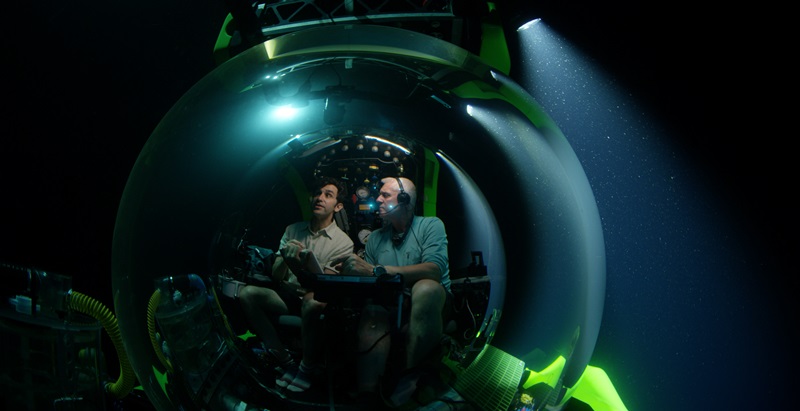
The vast and mysterious depths of the ocean have long intrigued humanity, and today, technology is opening new frontiers in ocean exploration. From the development of cutting-edge underwater vehicles to advanced data analytics, the world of marine science is riding the waves of technological innovation. In this blog, we'll dive deep into the fascinating realm of tech in ocean exploration, exploring the tools and techniques that are reshaping our understanding of the oceans.
Underwater Drones and ROVs: Unseen Voyagers of the Deep:
The utilization of Remotely Operated Vehicles (ROVs) and underwater drones has transformed our ability to explore ocean depths. These unmanned vehicles equipped with high-definition cameras and sensors provide scientists with a front-row seat to underwater ecosystems, enabling them to study marine life, geology, and even discover new species.
Satellite Technology and Ocean Observation:
Satellites play a crucial role in monitoring and understanding the vast expanses of our oceans. Advanced satellite technology helps track ocean currents, measure sea surface temperatures, and monitor changes in marine ecosystems. This data is invaluable for climate research, predicting weather patterns, and studying the impact of human activities on the oceans.
Autonomous Underwater Vehicles (AUVs): Navigating the Abyss:
Autonomous Underwater Vehicles (AUVs) are the silent explorers of the ocean's abyssal zones. These unmanned vehicles operate independently, collecting data on oceanography, mapping the seafloor, and studying underwater geology. With their ability to navigate challenging terrains, AUVs are uncovering the secrets of the ocean's most remote areas.
3D Mapping and Seafloor Exploration:
Advancements in 3D mapping technology have revolutionized seafloor exploration. Sonar systems and sophisticated mapping tools allow researchers to create detailed maps of the ocean floor, identifying geological features, underwater volcanoes, and uncharted territories. This technology contributes not only to scientific discovery but also to the sustainable management of marine resources.
Big Data Analytics: Decoding the Ocean's Secrets:
The sheer volume of data collected during ocean exploration necessitates advanced analytics. Big Data technologies are being employed to process, analyze, and derive meaningful insights from the vast datasets generated by underwater sensors, satellites, and autonomous vehicles. This data-driven approach enhances our understanding of ocean dynamics, climate patterns, and marine biodiversity.
Conclusion:
As technology continues to evolve, our ability to explore the mysteries of the ocean grows exponentially. The integration of robotics, satellite systems, and big data analytics is transforming oceanography, enabling scientists to unravel the complexities of the deep blue. The journey into the unknown continues, guided by the innovations that promise to reveal the secrets hidden beneath the waves.
discription